From Isolation to Connection: How Our Family’s Digital Space Brought Grandma Closer Than Ever
Imagine coming home to messages from your grandmother—not just “I’m fine”—but photos of her morning tea, her garden in bloom, and her laughter echoing through a shared video clip. That shift didn’t happen by chance. It began when we created a simple digital space just for our family, where moments are saved, seen, and cherished. No tech skills required—just love, care, and a few smart tools that made all the difference. This isn’t about fancy gadgets or complicated apps. It’s about how a little bit of thoughtful technology helped bring our family closer, especially Grandma, who had started to feel like she was fading into the background of our busy lives.
The Quiet Worry No One Talks About
Have you ever called someone you love and, even though they say they’re okay, something in their voice tells you they’re not? That was our reality with Grandma after Grandpa passed. She stayed in the same house, kept the same routines, and always answered the phone with a soft “Hello, dear.” But over time, her words got shorter. Her visits became less frequent. We told ourselves she just needed space. But deep down, we all felt it—she was slipping into a quiet kind of loneliness, the kind that doesn’t scream for attention but slowly dims the light in someone’s eyes.
It wasn’t that we didn’t care. We did. We called. We visited when we could. But life kept moving—kids’ schedules, work deadlines, the endless to-do lists. And distance, both physical and emotional, began to grow. We realized we were checking in, but not truly connecting. She wasn’t part of our daily lives, and we weren’t part of hers. The saddest part? She never asked for help. She didn’t want to be a burden. That’s when it hit us: loneliness isn’t always loud. Sometimes, it’s the silence between “I love you” and “I miss you.”
We started talking as a family. What if there was a way to make her feel included—not just informed? Not just another name on a group text, but someone who saw our lives and knew she mattered in them? That’s when we began exploring how technology, used thoughtfully, could do more than send a message. It could rebuild presence. Not replace being together, but create a sense of “being there” even when we couldn’t be. And that’s how our family’s digital space was born—not out of tech excitement, but out of love and worry.
Discovering Family Digital Spaces
We didn’t start with a grand plan. We started with one photo. My cousin uploaded a picture of her daughter blowing out birthday candles. On a whim, she shared it in a private cloud album and invited the family. A few days later, Grandma left a comment: “Oh, how she’s grown! She has your father’s smile.” That simple note changed everything. It wasn’t just a reaction—it was participation. She wasn’t just seeing the photo; she was part of the memory.
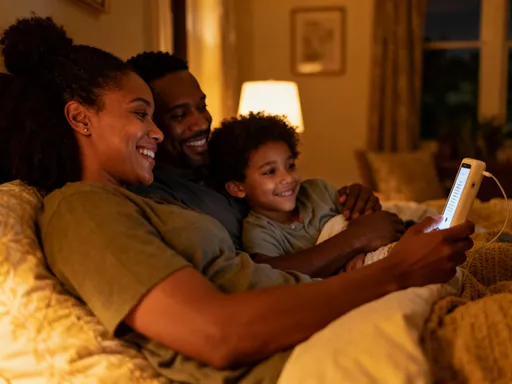
So we built on that. We created a shared space—private, password-protected, no ads, no strangers, no pressure. Just family. We began adding more: a short video of the kids playing in the yard, a voice note from my brother saying, “Hey Grandma, we made your famous apple pie today,” a photo of the fall leaves in the park near her home. This wasn’t social media. There were no likes, no comments from distant cousins, no algorithm deciding what she saw. It was curated by us, for her. And for the first time in months, she started smiling during our calls.
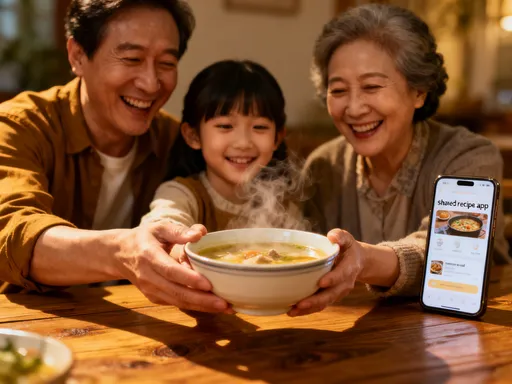
What made this different was intention. Social media can feel overwhelming, even lonely in its own way—so much noise, so little real connection. But this space was designed to feel like home. Warm. Quiet. Safe. We didn’t post every hour. We didn’t curate perfection. We shared real moments—the messy kitchen, the dog stealing socks, the quiet sunrise. And Grandma? She began watching, commenting, even sharing her own. A photo of her roses. A recording of the birds outside her window. A note: “Had your favorite soup today—felt like you were here.”
This digital space didn’t just share updates. It rebuilt belonging. It reminded her—and us—that she was still at the heart of our family story. Technology, when used with care, didn’t create distance. It closed it. And the most beautiful part? It wasn’t about being online. It was about being seen.
Choosing the Right Tools (Without Overwhelming Her)
Here’s the truth: no amount of love can make technology work if it feels like a chore. We tried video calls before, but they were stressful—“Where’s the button?” “Why can’t I hear you?” “Did I turn it off?” The frustration would leave her upset, and we’d end the call feeling guilty. We realized the problem wasn’t her. It was the tech. It wasn’t built for her life—it was built for someone else’s.
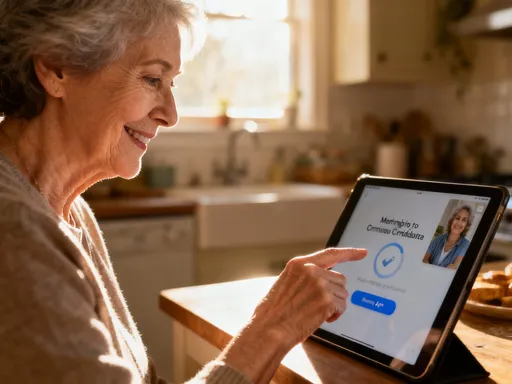
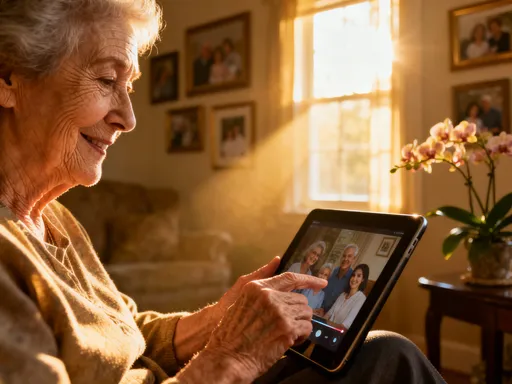
So we flipped the script. Instead of teaching her to adapt to technology, we found tools that adapted to her. We got her a simple tablet—nothing flashy. We set it up with a clean home screen: just four big icons. One for calls. One for the family album. One for voice messages. One for weather and news. We turned on voice-to-text so she could speak instead of type. We enabled automatic photo backups so she didn’t have to remember to save anything. And we set up one-touch sharing—just tap, and a photo goes straight to the family space.
We also picked apps that were designed for ease, not features. No complicated menus. No endless settings. Just tap, share, done. The app we chose sent gentle reminders: “You haven’t shared in a few days—would you like to send a photo?” And if she didn’t respond, no pressure. No red dots, no alerts. Just quiet encouragement.
The key wasn’t the device. It was the design. We wanted her to feel capable, not confused. Confident, not frustrated. And slowly, something shifted. She stopped asking, “Am I doing this right?” and started saying, “Look what I just sent!” That moment—when she took pride in using it—was the real win. It wasn’t about mastering tech. It was about regaining connection on her terms.
Creating Rituals That Stick
Technology alone doesn’t build habits. Rituals do. So we created one: every Sunday evening, someone in the family shares a “Sunday Smile”—a small, joyful moment from the week. It could be anything: a child’s first bike ride, a perfect cup of coffee, a cat napping in a sunbeam. We didn’t make it fancy. We just made it consistent.
At first, Grandma was a quiet observer. But then one Sunday, she recorded a 30-second video: her hands watering her plants, soft music playing in the background, her voice saying, “My geraniums are blooming again. Thought you’d like to see.” We all stopped what we were doing when we saw it. It wasn’t just a clip. It was an invitation. A way of saying, “I’m here. I’m part of this.”
Soon, she started sharing more. A short clip of her playing the piano. A photo of her lunch with a neighbor. A voice note saying, “Heard this song today and thought of your grandpa.” These weren’t grand gestures. But they were powerful. Because they were regular. Predictable. Expected in the best way.
We also started a “Memory Monday” tradition—sharing an old family photo and telling the story behind it. My nephew posted a picture of Grandma and Grandpa on their wedding day. She responded with a sweet note: “He was so nervous, he forgot the rings! But he had them in his pocket the whole time.” That little story sparked a family conversation that lasted all week. These rituals didn’t take much time. But they created rhythm. A sense of “we’re in this together,” even when we were miles apart.
Turning Memories into Meaning
One of the most touching moments happened by accident. I was cleaning up the family album and turned on the automatic slideshow feature. It began cycling through photos—old and new—set to soft background music. There was Grandma in her 30s, holding my father as a baby. Then a recent photo of her laughing with my daughter. Then a video of my son trying to dance like Grandpa did in an old home movie.
I shared the slideshow with her. She watched it three times. Then she called me, her voice trembling: “I didn’t know you remembered all this.” That’s when it hit me—this wasn’t just a photo album. It was a living archive of love. A place where memories weren’t buried in shoeboxes but brought to life, shared, and celebrated.
We started using the slideshow feature regularly—birthdays, anniversaries, even just quiet evenings. We added voice recordings to photos. A picture of the old family cabin now plays Grandpa’s voice saying, “Don’t forget to check the woodpile!” It’s like he’s still with us, guiding us, laughing with us.
And Grandma? She began contributing her own stories. She recorded herself telling the history of her favorite teacup. She scanned old letters and shared them with notes: “This is the letter he wrote me when he came home from the war.” These weren’t just digital files. They were heirlooms. And by sharing them in our space, they became part of our children’s inheritance—not just objects, but stories, voices, emotions.
This digital space became a memory garden. We planted photos. We watered them with stories. And together, we watched them grow. It wasn’t about preserving the past. It was about making it matter in the present.
Bridging Gaps Beyond Distance
One morning, I noticed something odd. Grandma hadn’t shared her usual “morning tea” photo. No message. No activity. That wasn’t like her. Usually, she posted by 8 a.m. I called—no answer. A knot formed in my stomach. I called my sister, who lived closer. She drove over and found Grandma had fallen in the kitchen the night before. She was okay—just shaken and sore—but hadn’t wanted to “worry anyone.”
That moment changed everything. We realized our digital space wasn’t just for sharing joy. It could also help us care. So we gently added small support features. We set up a weekly medication reminder that she could acknowledge with one tap. We started a “meal check-in”—someone would message, “What’s for dinner?” and she’d reply with a photo. Nothing formal. Just a way to know she was eating, moving, present.
We also scheduled regular short video calls—not long, just five minutes. “Just wanted to see your face,” we’d say. And she’d smile and wave, sometimes with her cat on her lap. These tiny interactions became touchpoints. Not surveillance. Not control. Just love in action.
When she had a doctor’s appointment, we created a shared note with her questions and the doctor’s advice. Afterward, she uploaded the summary. We could all stay informed, offer support, and help her remember next steps. Technology didn’t replace family care. It made it easier to give.
And the best part? She didn’t feel watched. She felt loved. She said, “I know you’re not checking on me because you don’t trust me. You’re doing it because you care.” And that made all the difference.
A New Kind of Togetherness
Today, our family’s digital space is more than a collection of photos and messages. It’s where love lives when we can’t be together. It’s where Grandma sings along to old songs, where the kids show off their art, where we celebrate small wins and support each other through quiet struggles. It’s not perfect. Sometimes the internet is slow. Sometimes someone forgets to share. But it’s real. And it’s ours.
This journey didn’t just bring Grandma closer. It changed how we see each other. We’re more present. More patient. More grateful for the little things. We’ve learned that connection isn’t about being in the same room. It’s about being in each other’s lives—daily, gently, intentionally.
And for Grandma? She’s not just keeping up. She’s leading. She started a “Grandma’s Garden Tips” series—short videos on planting, pruning, and what she calls “talking to the flowers.” The kids love it. They ask her questions. They try her tips. She feels needed. Valued. Alive.
This isn’t about the future of technology. It’s about the present of family. It’s about using simple tools to do something deeply human: stay close. To let the people we love know, every single day, that they are seen, heard, and cherished. That no matter how busy life gets, they’re still at the center of it.
If you’re wondering whether something like this could work for your family, I’ll tell you this: it’s not about the apps. It’s about the intention. It’s about saying, “You matter. Your life matters. And we want to be part of it.” Start small. Share one photo. Send one voice note. Create one ritual. Let the tech serve the love, not the other way around.
Because in the end, it’s not the devices that bring us together. It’s the moments we share through them. And those? Those are priceless.