Tired of Guessing Who’s at Your Door? A Smarter Way to Feel Safe at Home
You hear the doorbell ring—but no one’s expected. Is it a neighbor, a delivery, or someone you shouldn’t let in? That moment of uncertainty can rattle even the calmest home. I used to stress every time my kids were home alone. Then I found visitor management systems—not flashy tech, but a quiet upgrade that brought real peace of mind. This isn’t about paranoia; it’s about clarity, control, and protecting what matters most, one visit at a time. And honestly, it’s changed how we live, love, and breathe easier in our own home.
The Moment That Changed My Mind About Home Safety
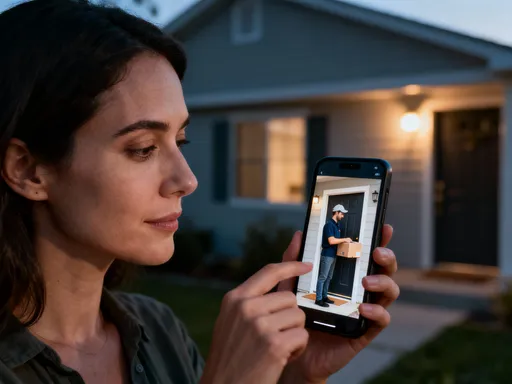
It was a rainy Tuesday afternoon, and I was stuck in a work call when my phone buzzed. My 12-year-old son had texted: "Mom, someone’s at the door. Should I open it?" My heart dropped. I could hear the doorbell in the background, ringing again. I rushed off the call, opened the family security app, and saw a man in a delivery uniform holding a box. My hands were shaking as I typed back: "No, sweetie, don’t open it. I’ll check who it is." With a tap, I spoke through the camera: "Can I help you?" He said it was a package for me—safe, verified, legit. But that moment stayed with me. What if it hadn’t been?
Before that day, I thought our home was secure. We had a peephole, a sturdy lock, and the usual "don’t talk to strangers" talks with the kids. But the peephole only showed a fish-eye blur. Shouting "Who is it?" from behind a locked door felt more like a ritual than real protection. And kids—bless their trusting hearts—sometimes forget the rules when curiosity wins. That rainy afternoon made me realize: modern life moves fast. Deliveries come at all hours. Friends drop by unannounced. Helpers visit weekly. We needed something smarter—something that didn’t just lock the door, but helped us understand who was on the other side.
That’s when I started looking into how families like mine were staying safe without feeling locked down. I didn’t want a prison-like setup with alarms and cameras everywhere. I wanted something simple, intuitive, and kind—a tool that worked quietly in the background, like a wise friend watching your back. What I found wasn’t sci-fi. It was something far more powerful: a visitor management system for the home. And once we installed it, that constant hum of worry—the "what if?" that followed every doorbell—finally quieted down.
What Exactly Is a Visitor Management System (And Why It’s Not Just for Offices)
You might have heard the term "visitor management system" at work—maybe when you sign in at a front desk, scan a badge, or get a temporary pass. It’s how offices keep track of who’s coming and going. But this idea isn’t just for corporate lobbies anymore. It’s moved into our homes, quietly and thoughtfully, through smart technology that helps families stay informed and in control.
At its core, a home visitor management system is a digital way to know who’s at your door, why they’re there, and what to do about it—without opening the door. It usually includes a smart doorbell or entry camera with a camera, microphone, and speaker. When someone rings the bell or triggers motion, you get an alert on your phone, tablet, or smart display. You can see, hear, and talk to them in real time, even if you’re miles away. Some systems take it further: they log visits, store photos, recognize familiar faces, and even let you grant temporary access to trusted people, like your housekeeper or dog walker.
Now, I know what you might be thinking: "Isn’t this just surveillance?" And I asked myself the same thing. But here’s the difference—this isn’t about watching people or recording every move. It’s about choice. It’s about being able to say, "I’ll decide when and how to engage," instead of reacting blindly. It’s not about fear. It’s about clarity. Think of it like caller ID for your front door. You wouldn’t answer an unknown number without checking your phone first—so why do it with your door?
These systems aren’t just for big houses or tech experts. They’re designed for real life—families juggling school runs, work calls, and aging parents. They work with the devices you already own, like your smartphone or smart speaker. And the best part? They don’t require you to become a tech wizard. Most are built with simplicity in mind, so you can set them up in an afternoon and start feeling safer that same evening. This isn’t about turning your home into a fortress. It’s about making it a smarter, calmer, more connected sanctuary.
How It Works in Real Family Life: From Delivery Drivers to Grandma’s Surprise Visit
Let me paint a picture of a typical day in our home now—because that’s where this tech truly shines. It’s 3 p.m., and I’m in a meeting. My phone vibrates gently. I glance down: the app shows a delivery person holding a box at the front door. With a tap, I can see and speak to them. "Just leave it by the step, thanks!" I say. They wave and do exactly that. No missed deliveries. No packages sitting out overnight. No guessing games for my kids when they get home from school.
Then there’s my 15-year-old daughter, who used to panic when the doorbell rang. Now, she checks the app first. If it’s the tutor, she buzzes them in through the app (we have a smart lock). If it’s a stranger, she texts me. Last week, it was her friend’s mom dropping off a forgotten jacket. The camera recognized her face from previous visits and labeled her automatically—"Familiar visitor." My daughter smiled and opened the door. That small moment meant everything: she felt confident, not scared.
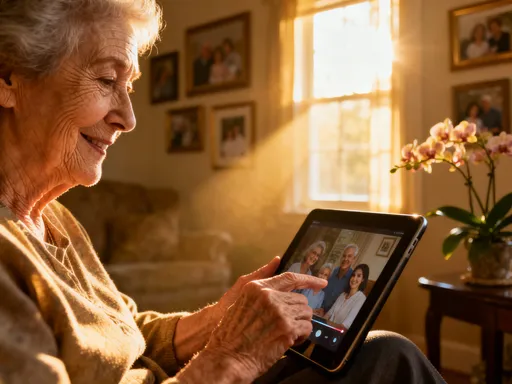
And what about the sweet, unexpected moments? Like when my mom decided to surprise us with Sunday dinner. She rang the bell, and I saw her cheerful face on my phone while I was chopping vegetables. I opened the door through the app and called out, "Mom! Come on in, I’m in the kitchen!" No running to the door. No peephole squinting. Just joy, uninterrupted.
Even our dog walker benefits. She gets a unique access code that only works between 10 and 11 a.m. I get a notification when she arrives and leaves. I can see a photo of her with the dog, happy and safe. If someone else showed up using her code, the system would flag it. It’s not that I don’t trust her—it’s that life is unpredictable. People lose phones. Codes get shared. This way, I have peace of mind without micromanaging.
These aren’t futuristic fantasies. They’re real, everyday moments that add up to a deeper sense of safety and connection. The system doesn’t replace human judgment—it supports it. It gives us the information we need to make smart choices, without the stress of the unknown.
Choosing the Right System Without Getting Overwhelmed
I’ll be honest—the first time I looked into these systems, I felt buried under options. So many brands. So many features. Two-way audio, facial recognition, cloud storage, local storage, motion zones, night vision, integration with Alexa or Google… it was enough to make me close the laptop and go for a walk.
But here’s what I learned: you don’t need every feature. You just need the right ones for your family. Start by asking simple questions. Who’s usually home? Do you have kids? Do you work from home? Do you get a lot of deliveries? Do you have helpers coming and going? Are you often away and want to check in?
If you have young kids home alone after school, real-time alerts and two-way talk are essential. If you travel often, remote access and visitor history matter. If privacy is a top concern, look for systems that store videos locally (on a home hub) instead of in the cloud. If you’re on a budget, start with a basic smart doorbell—many offer great value without the extras.
Integration is another key factor. Does it work with your phone? Your tablet? Your smart speaker? We use a system that syncs with our kitchen display, so when the doorbell rings, it shows up on the screen while I’m making breakfast. No missed alerts. No digging for my phone.
And don’t overlook ease of use. If it’s too complicated for your teenager or aging parent to operate, it won’t get used. Look for apps with clean layouts, clear icons, and voice-guided setup. Many brands now offer family profiles, so everyone can have their own login and notification settings.
Take your time. Read reviews from real families. Watch setup videos. Ask friends what they use. This isn’t a race. It’s about finding a solution that fits your life, not the other way around. Remember: the best system is the one you’ll actually use—and that makes you feel calmer, not more stressed.
Simple Steps to Set It Up (Even If You’re Not Tech-Savvy)
I used to think I was the last person who could set up a smart home device. My husband jokes that I still use a flip phone for everything except this. But here’s the truth: today’s visitor management systems are built for people like me—people who care more about family than firmware.
Most systems come with clear instructions, and many offer step-by-step video guides right in the app. We started by mounting the doorbell camera. It replaced our old wired doorbell, so we just turned off the power, unscrewed the old one, and connected the new wires. The app walked us through each step with diagrams and voice prompts. It took less than 30 minutes.
Then came Wi-Fi setup. This was the part I worried about most. But the app detected our network instantly and asked for the password. Once connected, it tested the signal strength—important, because a weak signal means blurry video or delayed alerts. We moved the router closer to the front door, and suddenly, everything was smooth.
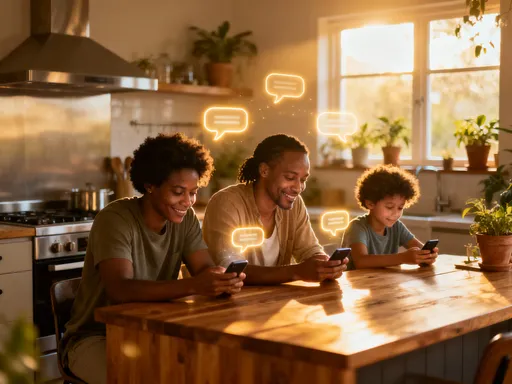
Next, we downloaded the app on everyone’s phone—mine, my husband’s, and even our kids’ (with parental controls, of course). We created a family account so we could all see alerts and recordings. The app let us customize notifications: I get every alert, my husband gets deliveries, and the kids only get alerts when a "trusted visitor" rings—like Grandma or the tutor.
We also set up two-way talk and tested it. I stood at the door while my husband was in the backyard. He rang the bell, and I answered from my phone. "Hey, honey, forgot your jacket!" I said through the speaker. He laughed. It worked perfectly.
The key? Take it slow. Do one step at a time. Involve the whole family. Let the kids help with the app setup. Make it a project, not a chore. And don’t be afraid to call customer support—most brands have real people ready to help, not robots. Within a day, we were up and running. And within a week, it felt like it had always been part of our home.
Building Family Habits That Make Security Feel Natural
Technology is only as good as the habits we build around it. We didn’t just install the system and forget it. We made it part of our daily rhythm—like brushing teeth or setting the table.
First, we had a family talk. We explained why we got the system—not because we’re afraid, but because we love each other and want to stay safe. We showed the kids how to check the app before opening the door. We practiced: "See the screen. Recognize the face. Call Mom if unsure." Now, it’s second nature. My daughter even reminds her little brother: "Check the app first!"
We also set up trusted visitor alerts. When my mom or sister comes, the app recognizes them and sends a special notification: "Family member at the door." That way, the kids know it’s safe to open up. For others, like delivery people, we use two-way talk to confirm who they are before allowing access.
We created a weekly routine: every Sunday night, we review the visitor log together. It’s become a sweet family ritual. "Look, the dog walker was here!" "Oh, the package came!" "Grandma waved at the camera!" It’s not about suspicion—it’s about connection. We feel more aware, more together, even when we’re apart.
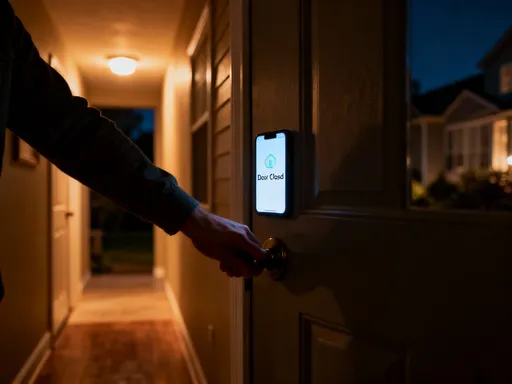
And for regular helpers, we use scheduled access. Our cleaner gets a code that only works on Tuesdays and Thursdays from 9 to 11 a.m. If she shows up outside those hours, the door won’t unlock, and I get an alert. It’s not about distrust—it’s about structure. It helps everyone feel respected and secure.
These small habits add up. They turn a piece of technology into a living part of our home—one that protects, connects, and comforts, day after day.
The Real Reward: More Than Security—It’s Peace of Mind
After living with our visitor management system for several months, I realized something surprising: I wasn’t just safer. I was calmer. Lighter. More present. That constant background noise of worry—the "what if someone shows up?"—had faded. In its place was a quiet confidence. I know who’s at the door. I know my kids are protected. I know I’m in control.
Peace of mind isn’t just a nice phrase. It’s a real, tangible feeling. It’s being able to focus on your work call without jumping at every doorbell. It’s letting your teenager answer the door—because they have the tools to do it safely. It’s welcoming loved ones with open arms, not hesitation. It’s knowing that your home isn’t just a house. It’s a haven.
This technology didn’t change our lives in a dramatic way. It changed them in a thousand small ones. The missed delivery that got returned. The surprise visit that turned into a joyful moment. The stranger who left a flyer and didn’t linger. Each one added up to a deeper sense of safety and trust.
And isn’t that what we all want? To feel safe in our own space. To protect the ones we love. To live without fear shadowing every decision. A visitor management system isn’t magic. But it is a tool—a quiet, thoughtful, powerful tool—that helps us reclaim that feeling of sanctuary.
So if you’ve ever hesitated at the door, wondering who’s on the other side, know this: you’re not alone. And you don’t have to live with that uncertainty. There’s a smarter, gentler way to feel safe at home. It’s not about locking the world out. It’s about inviting clarity in. And once you do, you might just find, like I did, that your home feels more like home than ever before.