What If a Simple Tech Upgrade Could Reconnect You with an Old Friend?
Have you ever reconnected with someone from your past and realized how much you’d both changed—yet how much still felt the same? Technology often pulls us in different directions, but sometimes, it can quietly bring us back together. A small change in your daily routine—like upgrading your front door lock—might seem unrelated to friendship, but it can unexpectedly open the door to rekindling an old connection. This is one of those quiet, meaningful moments life offers when tech and emotion meet.
The Unlikely Link Between Smart Locks and Old Friendships
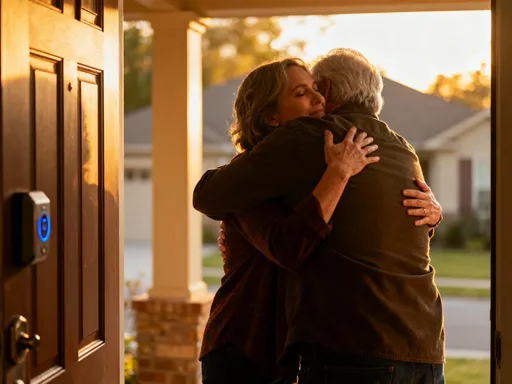
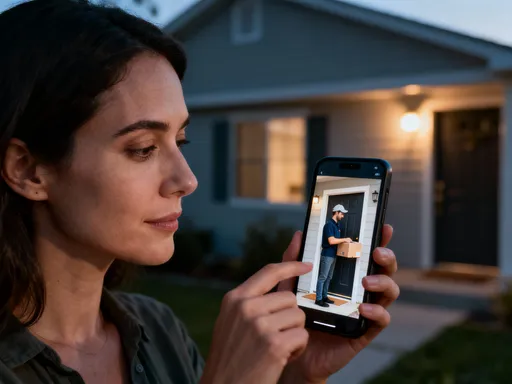
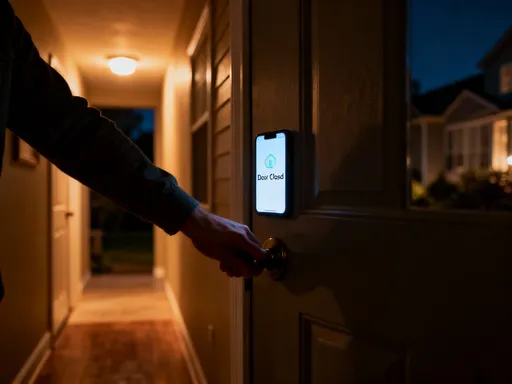
Let me tell you a true story. My childhood friend, Sarah, showed up at my doorstep last spring after nearly ten years apart. We hadn’t planned it—she was driving cross-country for a new job and decided, on a whim, to stop by. I was stuck in a meeting, my hands full, my mind scattered. But then my phone buzzed: "Sarah just arrived. Grant access?" With one tap, my front door unlocked. No frantic calls, no neighbor favors, no hiding keys under flowerpots. She walked in, kicked off her shoes, and called out like she’d never left. And just like that, time folded in on itself.
It wasn’t the smart lock that made the moment special—it was what it made possible. That seamless welcome, the quiet trust in letting someone in without being there, turned a simple visit into something deeper. It reminded me that technology, at its best, doesn’t replace human connection—it removes the little barriers that keep us from it. And in that moment, the door wasn’t just opening to my house. It was opening to a friendship I thought had slipped away.
Think about how often we miss chances to reconnect because of small, practical things. A friend wants to drop off a casserole, but you’re not home. Your cousin’s passing through town, but you can’t hand over a key. These moments pile up, and slowly, the rhythm of staying close fades. But what if the solution wasn’t grand gestures or long phone calls—but something as simple as a secure, smart lock that lets you say "come on in"—even when you’re not there?
How Daily Routines Shape Our Connections
We don’t realize how much our daily habits shape our relationships until we look back and wonder, "When did we stop seeing each other?" Life gets full. Kids, work, errands, and the constant hum of responsibilities fill our calendars. And in that busyness, we protect our time and space—sometimes a little too well. We lock the doors, set the alarms, and keep things under control. But in doing so, we might also be keeping people out.
I remember a time when my mom visited and I forgot to leave the spare key with the neighbor. She stood outside for twenty minutes in the rain, calling me over and over. I felt awful. It wasn’t that I didn’t want her there—I just got distracted. That small moment of friction left a mark. She didn’t say much, but I saw the disappointment. And it made me realize: the things we do to feel safe can sometimes send the wrong message. They can say, "I’m not really ready for you." Even when we mean the opposite.
It’s not just about keys. It’s about access. About whether we make it easy for people to be part of our lives. When every visit requires coordination, when every entry depends on perfect timing, it becomes easier to say, "Maybe next time." And next time never comes. The truth is, strong relationships need ease. They need the kind of openness that says, "You’re always welcome here." But how do we offer that without compromising safety or convenience?
This is where I started to see that tech wasn’t the problem—it could actually be part of the solution. Not flashy gadgets or complicated systems, but thoughtful tools that help us live more freely. Tools that handle the small stresses so we can focus on what really matters: the people we love.
The Quiet Power of Smart Access
Let’s talk about smart locks—not as tech products, but as digital welcome mats. That’s how I think of them now. They’re not about showing off the latest gadget. They’re about creating a home that’s both safe and open. Imagine this: your sister is driving in from two states away. She’s bringing your nephew’s favorite cookies. You’re stuck at your daughter’s soccer practice. With a smart lock, you can send her a one-time entry code that works only between 3 and 5 p.m. She lets herself in, leaves the goodies on the counter, and locks up behind her. No stress. No missed connection. Just warmth, delivered.
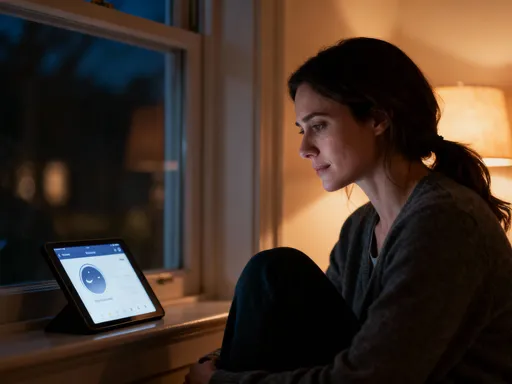
Smart locks work by replacing physical keys with secure digital access. You control everything from your phone. You can create unique codes for different people—your best friend, your dog walker, your mom. You can set them to work only on certain days or times. And you can turn them off anytime, no need to worry about who still has a key from two years ago. It’s like having a front desk that knows exactly who’s allowed in—and when.
But the real magic isn’t in the mechanics. It’s in what it allows you to do. It lets you say "yes" more often. Yes to surprise visits. Yes to helping out. Yes to reconnecting. I used to think, "I can’t let anyone in when I’m not home." Now I think, "Why shouldn’t I?" As long as it’s safe—and it is—why not make it easy for the people I care about to be part of my world?
And here’s the thing: it’s not just about convenience. It’s about trust. When you give someone access to your home, you’re giving them a piece of your space, your peace, your life. A smart lock makes that gesture easier, clearer, and more thoughtful. It’s not a cold, digital transaction. It’s a warm, intentional act of welcome.
Trust, Safety, and the Language of Access
Have you ever thought about what it means to give someone a key to your house? It’s one of the most personal things you can do. It says, "I trust you. You belong here." But handing over a physical key comes with worries. What if they lose it? What if they forget to return it? What if, years later, someone still has access and you don’t even remember? Those fears can make us hesitate. We want to trust, but we also want to feel safe.
Smart locks change that equation. They let you give access without giving up control. You can grant entry for a few hours, a weekend, or an entire summer. You can see when someone comes and goes. And with a single tap, you can revoke access—no locksmith, no rekeying, no awkward conversations. It’s like having the kindness of an open door with the wisdom of a locked gate.
I remember when my college roommate, Lisa, called out of the blue. She was going through a tough time and needed a place to stay for a few days. I wanted to say yes immediately. But part of me hesitated. Not because I didn’t trust her—of course I did. But because I had young kids, and my routines were tight. What if she stayed longer than expected? What if she left the door unlocked? With a smart lock, I could say yes with confidence. I set up a code just for her, active from Friday to Sunday. I could check in if I needed to. And when she left, the code disappeared. No loose ends. No stress. Just support, given and received.
That’s the quiet language of smart access. It lets us express care without compromise. It helps us balance our need for safety with our desire to be generous. And in a world where so much feels uncertain, that balance matters. It lets us be both strong and kind—secure and open—at the same time.
A Visit That Felt Like Coming Home
Back to Sarah. When she walked into my house that day, she didn’t just enter a space—she entered a moment. The smell of coffee, the kids’ drawings on the fridge, the dog wagging his tail. It was familiar, even after all these years. We sat at the kitchen table, and within minutes, it was like no time had passed. We laughed about old teachers, shared stories about our families, and even cried a little when we talked about our parents getting older.
Later, she told me, "You know what surprised me the most? How easy it felt to be here. Like I never left." And I realized—so much of that ease came from the welcome. She didn’t have to wait. She didn’t have to call me five times. She didn’t have to stand on the porch feeling like a guest. She just walked in, and the house said, "We’ve been waiting for you."
That’s what touched me most. Technology didn’t create the connection—that was all us, all history, all heart. But it made space for it to happen. It removed the friction that might have turned her visit into a missed opportunity. And in doing so, it reminded me that the best tech doesn’t draw attention to itself. It disappears into the background, letting the human moments shine.
I’ve started thinking of my home differently now. It’s not just a place with walls and a roof. It’s a living space where memories are made, where people are welcomed, where love is shared. And the tools I use—like my smart lock—aren’t just about security. They’re about hospitality. They’re about saying, "You’re safe here. You’re known here. You’re loved here."
Making Room for Meaningful Moments
We spend so much time managing the small stuff—keys, schedules, safety checks, reminders. It’s exhausting. And that mental load doesn’t just tire us out. It steals our attention from the things that matter most. When your brain is cluttered with "Did I lock the door?" or "Where did I leave the spare key?", there’s less room for "How are you really?" or "Tell me more about that."
Smart locks help clear that mental space. They don’t eliminate responsibility—they just make it easier. You still protect your home. You still care about safety. But now, you don’t have to carry the weight of it all in your head. You get alerts when the door opens. You can lock it from your phone while you’re already in bed. You can give access without a second thought. And that freedom? It’s priceless.
I’ve noticed that since I made this change, I say "yes" more. Yes to coffee with an old friend. Yes to letting my sister’s kids play in the backyard while she runs errands. Yes to hosting impromptu dinners. I’m not more generous—I’m just less guarded. The tools I use have given me permission to relax, to trust, to open up.
And that’s the real gift of thoughtful technology. It doesn’t make us colder or more distant. It makes us more present. It gives us back the time and energy to be fully here—for our families, our friends, ourselves. It helps us design a life that’s not just efficient, but meaningful.
Reconnecting, One Door at a Time
So here’s what I’ve learned: innovation doesn’t always look like flashing screens or voice commands. Sometimes, it looks like a quiet upgrade to your front door. Something small, something practical, something that makes your life just a little easier—and your heart a little more open.
We can’t control how life changes us. People move, jobs shift, seasons pass. But we can choose the tools that help us stay connected. We can build homes that are not just secure, but truly welcoming. Homes where old friends can walk in like they never left. Homes where love doesn’t have to wait.
That day with Sarah wasn’t just a reunion. It was a reminder. A reminder that friendship isn’t about constant contact. It’s about knowing you’re still welcome, even after years. And sometimes, all it takes to rebuild that bridge is a door that opens with a tap.
So if you’ve been thinking about a small change—something that makes your life a little smoother, a little safer, a little more open—don’t underestimate it. That one upgrade might not just change your routine. It might just reconnect you with someone you thought you’d lost. Because in the end, the most powerful technology isn’t the one that does the most. It’s the one that helps you feel the most.