What if a Simple Dashboard Light Could Change Your Family’s Driving Habits Forever?
Imagine glancing at your car’s dashboard and realizing it’s not just showing fuel levels anymore—there’s a small, gentle reminder that makes you slow down, stay alert, and drive like someone’s counting on you getting home safely. That’s exactly what happened in my family. It wasn’t punishment or nagging—it was a quiet nudge from technology that quietly reshaped how we drive, together. One little light, one small alert, and suddenly, we were paying attention in a way we never had before. And honestly? It changed everything.
The Moment We Realized Our Driving Wasn’t as Safe as We Thought
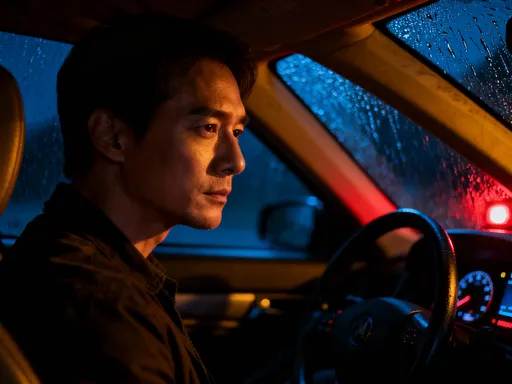
It was a rainy Tuesday evening. The kind where the sky turns gray by 5 p.m., the windshield wipers are on high, and the roads are slick with that thin, shiny film that makes every turn feel just a little too fast. I was driving home from picking up my youngest from soccer, my oldest in the back seat texting under the glow of her phone, and my husband following behind in his work truck. We were all just… driving. Like we always do. Like it’s nothing. Like we’ve got it under control.
Then it happened—a sudden swerve, a horn blast, a near-miss with a delivery van that pulled out without signaling. I braked hard, heart slamming against my ribs, hands gripping the wheel like I was holding onto life itself. In the back seat, my daughter gasped. No one said a word. But the silence? It was louder than any scream. That night, lying in bed, I couldn’t stop replaying it. Not just the moment, but all the other times—speeding to make it to school on time, checking my phone at a red light, letting my teenager drive home from a friend’s house after dark. We’d always told ourselves we were careful. But the truth? We were just lucky. And luck doesn’t last forever.
That’s when I started looking into what was really happening behind the wheel. I read about how distracted driving causes more accidents than we like to admit, how even a two-second glance at a text doubles the risk of a crash. I learned that teens are three times more likely to be in a fatal crash because of inexperience and distraction. And I realized—no amount of ‘be careful’ from the passenger seat could compete with the pull of a buzzing phone or the rush of being late. We needed something more. Something that didn’t rely on yelling, guilt, or last-minute warnings. We needed help. And surprisingly, it came not from a person—but from a dashboard light.
How Technology Stepped In—Without Taking Over
I’ll admit it—I was skeptical at first. When I heard about vehicle safety systems that track driving behavior, my first thought was Big Brother. Was this just another way to spy on my kids? To feel judged every time I took a corner too fast? But the more I looked into it, the more I realized these tools weren’t about surveillance. They were about support. Think of it like a fitness tracker for your driving—something that gives you feedback, not punishment. Something that helps you see what you can’t feel in the moment.
The system we chose didn’t record video. It didn’t listen to our conversations. It didn’t track our location like a GPS stalker. Instead, it used simple sensors to monitor things like speed, hard braking, sudden acceleration, and phone use while driving. When any of those happened, a small light on the dashboard would glow—softly, not aggressively—just a gentle reminder: Hey, slow down. Pay attention. You’ve got people counting on you.
And here’s the part that surprised me: it actually worked. Not because it was strict, but because it was neutral. It didn’t yell. It didn’t shame. It just… noticed. And because it wasn’t coming from me—a mom who they sometimes tune out—it had more weight. It wasn’t Mom nagging again. It was the car itself saying, “Let’s do this safely.” We could check a simple app on our phones to see weekly reports—like a report card for driving. No grades, no penalties, just data. And slowly, that data started to change.
What made the biggest difference was that we set it up together. We didn’t sneak it in. We had a family meeting—yes, even with the eye-rolling—and explained why we were doing it. Not because we didn’t trust them, but because we loved them. We wanted everyone to come home safely. And once they understood that, the resistance faded. The tech wasn’t the boss. We were still in control. But now, we had a little help staying on track.
From Awareness to Action: The First 30 Days
The first week was… rough. Let’s be honest. That little dashboard light? It lit up a lot. Too much. My husband got a warning for speeding on his morning commute. My daughter triggered a distraction alert when her phone buzzed during a school pickup. I even got one for hard braking when a dog ran into the street. At first, it felt like the car was judging us. Like we were failing a test we didn’t know we were taking.
But then something shifted. Around day ten, my son said, “I think I’m getting better. I haven’t had a red light in two days.” That was the first time one of them took ownership. No one asked. No one reminded. He just noticed. And that small moment? It meant everything.
By week three, we started seeing real changes. Fewer sudden stops. Less white-knuckling during rush hour. My daughter began putting her phone in the glove compartment before driving—something she never did before. My husband started leaving earlier to avoid the temptation to speed. And me? I became more aware of how tired I was on long drives. The system didn’t stop me from driving, but it made me think. Is this worth it? Can I wait? Should I pull over?
What helped most was the weekly summary. Every Sunday night, we’d look at the app together—no pressure, just curiosity. We’d see how many smooth drives we had, how much phone use went down, how our average speed improved. It wasn’t about being perfect. It was about progress. And celebrating that progress—like when my teenager went five days without a single alert—made it feel like a team effort, not a punishment.
The key, I learned, was consistency. Not perfection. Some days were still messy. Rainy days, busy days, emotional days—driving reflected that. But over time, the good days started to outnumber the bad. And that’s when I knew: this wasn’t just about driving. It was about building a habit. A safer, calmer, more mindful way of moving through the world.
When the Car Started Teaching Responsibility—Not Just Rules
One afternoon, my daughter came home from school and said, “I didn’t use my phone at all today. I didn’t want the red light on my score.” I nearly dropped my coffee. This was the same girl who used to argue that “just one text” wasn’t dangerous. But now? She was choosing not to, not because I told her to, but because she didn’t want that little light to go off.
That moment hit me hard. This wasn’t about rules anymore. It was about responsibility. The system had become a mirror—showing her the impact of her choices in real time. And because the feedback was immediate and visual, it stuck. A green light felt good. A red one? Not so much. But it wasn’t shame. It was awareness. And that awareness led to change.
We didn’t turn it into a competition, but we did celebrate improvement. When my son reached 20 safe drives in a row, we took him out for ice cream. When my husband lowered his hard braking by 60%, we joked that he was becoming a zen master on the road. These small rewards weren’t about the tech—they were about recognizing effort. And because the system was consistent and fair, it became something we could all trust.
What surprised me most was how it helped my kids internalize the behavior. It wasn’t just about avoiding the alert. It was about understanding why it mattered. One day, my daughter said, “I don’t want to be the reason someone gets hurt.” That’s when I knew—this wasn’t just changing how they drove. It was shaping how they thought. About safety. About responsibility. About care.
And that’s the power of gentle feedback. It doesn’t force change. It invites it. It gives you the space to see yourself clearly, to make better choices, and to feel good about doing it. No lectures. No fights. Just a little light, quietly saying, “You’ve got this.”
The Ripple Effect: Calmer Rides, Better Moods, Stronger Trust
Here’s what I didn’t expect: safer driving didn’t just make the roads safer. It made our home quieter. Calmer. Happier. Before, car rides were often stressful—someone running late, someone arguing, someone distracted. Now? They’re different. We arrive more relaxed. We talk more. We listen.
There’s less tension. Less yelling. Less “Who left the door open?” or “Why are we always late?” because we’re not rushing as much. We leave earlier. We drive smoother. We breathe. And that calm doesn’t stop when we get out of the car. It carries into the house. Into dinner. Into bedtime.
But the biggest change? Trust. My kids know I’m not watching their every move. The system does the monitoring, not me. And because it’s neutral, it doesn’t feel like I’m controlling them. It feels like we’re all on the same team. We’ve built a culture of safety, not surveillance. And that’s made all the difference.
I’ve also noticed that my kids are more aware of their choices in other areas too. They think twice before reacting when they’re upset. They’re more mindful about screen time. It’s like the habit of pausing, of asking “Is this safe?” has spread beyond driving. And isn’t that what we want as parents? Not just rule-followers, but thoughtful, responsible adults in the making?
This little system didn’t just change how we drive. It changed how we relate. It gave us a shared goal. A reason to cheer each other on. And in a world that often feels divided, that’s priceless.
Making It Work for Any Family: Simple Setup, Real-Life Tips
If you’re thinking about trying something like this, I get it—it can feel overwhelming. Tech, setup, privacy concerns, teenage resistance. But honestly? It’s simpler than you think. Here’s what worked for us.
First, choose a system that respects privacy. Look for one that doesn’t record video or audio, doesn’t track location in real time, and gives you control over who sees what. We picked one that syncs with a family app, where each driver has their own profile and can see their own data. No one can spy on anyone else. It’s about self-awareness, not surveillance.
Next, involve everyone from the start. Have a conversation. Not a lecture. A real talk. Share why you care. Maybe show them a story about distracted driving. Or just say, “I want us all to come home safely.” Let them ask questions. Let them voice concerns. And listen. When my daughter worried it would feel like I was watching her, I told her the truth: I’m not. The car is. And it doesn’t care about anything but safety.
Set shared goals. Not “no alerts ever,” but “let’s aim for 80% green lights this month.” Or “can we go a week without hard braking?” Make it about progress, not perfection. And celebrate wins—big or small. A high five. A favorite snack. A family movie night. Make it positive.
And finally, use the feedback constructively. If someone gets a lot of distraction alerts, don’t scold. Ask, “What’s making it hard to put the phone down? Can we find a better system?” Maybe it’s a hands-free mount. Maybe it’s setting “do not disturb” mode. Work together. Solve it together.
The setup took less than an hour. The real work? That’s ongoing. But it’s worth it. Because this isn’t about tech. It’s about care. About connection. About showing up for each other, one drive at a time.
More Than Safety: How a Dashboard Light Gave Us Peace of Mind
That little dashboard light? It’s still there. Still glowing when it needs to. But now, it feels like a friend. A quiet presence that reminds us we matter. That our lives are worth protecting. That we’re not just drivers—we’re a family, moving through the world together.
I used to think safety was about rules. Now I know it’s about habits. About small choices, made over and over, that add up to something bigger. And sometimes, we need a little help seeing those choices clearly. That’s what this tech gave us—not control, but clarity. Not fear, but focus.
When I look at my kids now, driving off to school or a friend’s house, I don’t feel the same knot in my stomach. Not because I know nothing will ever go wrong—because life doesn’t promise that. But because I know they’re more aware. More careful. More in tune with what it means to drive like someone’s counting on them.
And that’s the gift. Not just fewer risks. Not just better scores. But peace. The kind that comes from knowing you’re doing your best. The kind that lets you breathe a little easier when the car pulls out of the driveway. The kind that says, “We’re looking out for each other.”
So if you’re wondering whether a simple dashboard light could change your family’s driving habits—yes. It can. Not because it’s magic. But because it reminds us, in the quietest way, of what matters most. And sometimes, that’s all we need to make a difference.